
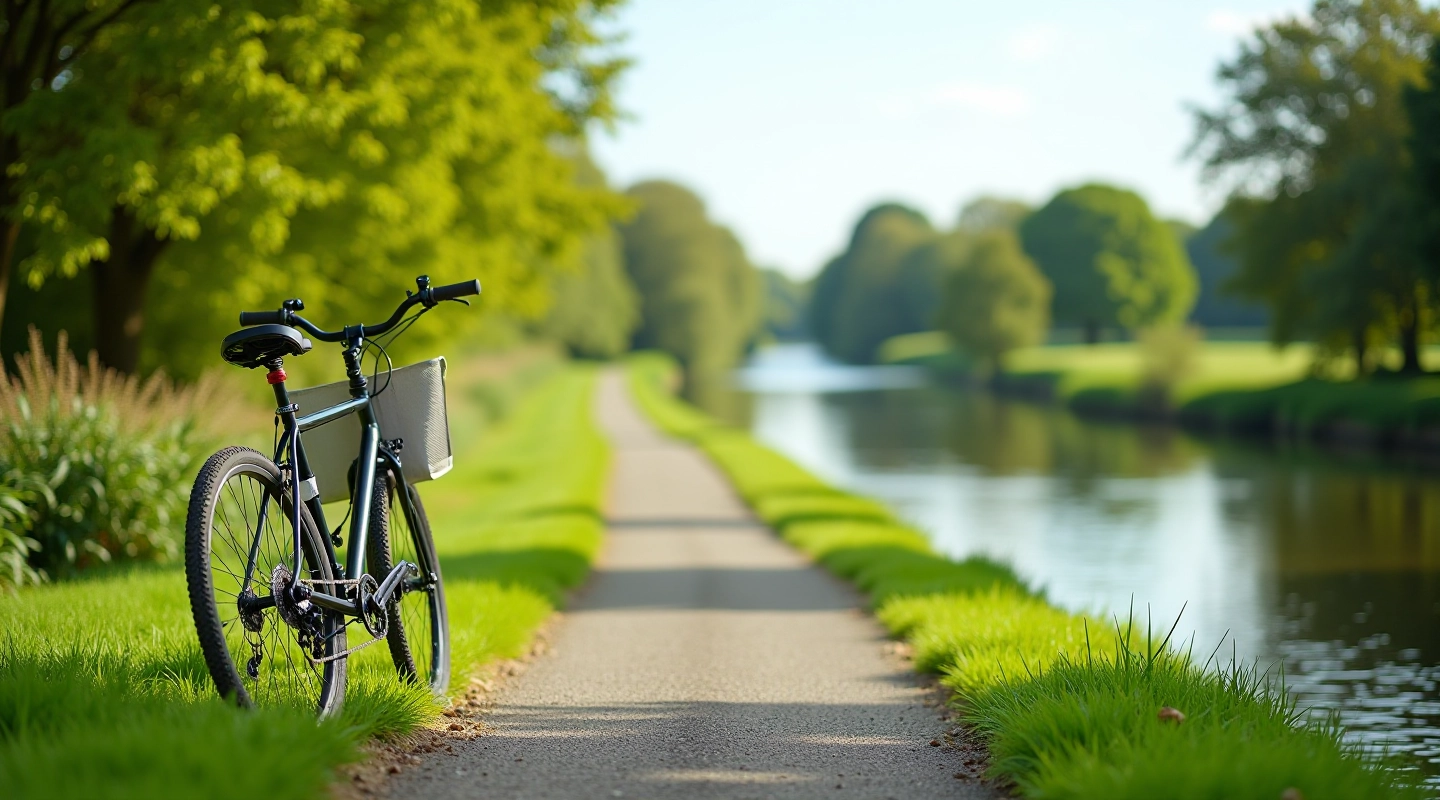
Getting Started on the Barrow Line Towpath
Everything you need to know before your first ride — route basics, access points, and what the experience actually feels like when you're out there.
Gentle-paced routes with rest stops, terrain details, and accessibility information for mature riders exploring Kildare's waterways. We've put together practical guides so you can enjoy cycling at your own pace, knowing exactly what to expect before you head out.


Author
Editorial Team
Written by the Barrow Line Editorial Team, providing practical, honest guides to river navigation and cycling routes for older adults in Kildare.
The Barrow Line towpath and routes around Athy offer something special for cyclists over 65. They're flat, well-maintained, and designed with rest stops in mind. You're not racing anyone — it's about enjoying the landscape at a pace that suits you.
We've spent time on these routes, noting where you can grab a cup of tea, which sections have the smoothest surfaces, and where the views are worth slowing down for. The terrain doesn't demand much from your fitness level, but it gives plenty back in terms of scenery and community.
The short version: Flat terrain, accessible entry points, good facilities nearby, and a genuine sense of peace on the water. That's what makes these routes work for older riders.
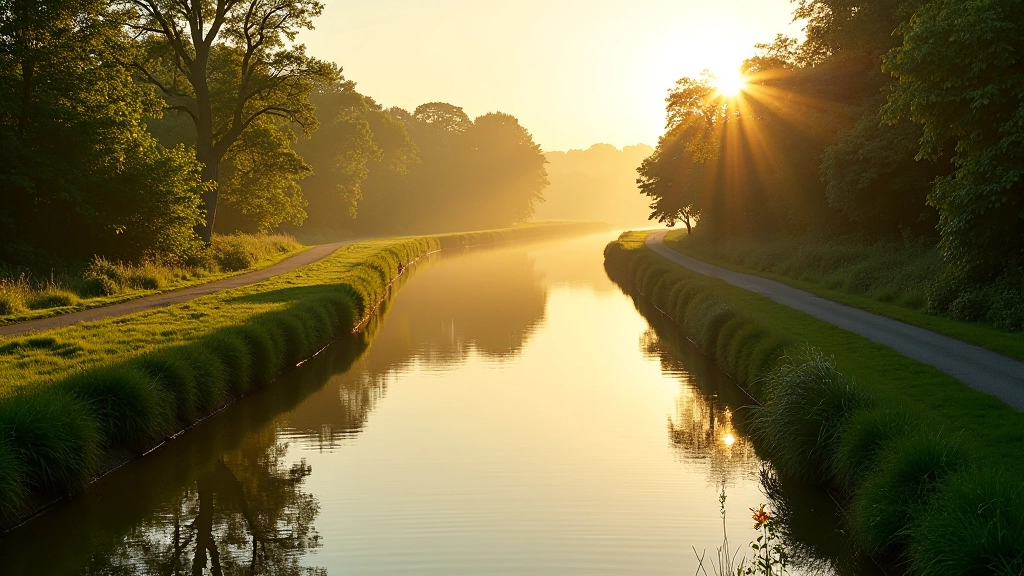

The main Barrow Line towpath stretches about 33 kilometres from Lowtown to Waterford, but you don't need to tackle the whole thing. Most riders we've spoken with do 8-15 kilometre sections, stopping for rest and refreshment.
Surface quality matters when you're riding regularly. The towpath itself is mostly hard-packed gravel and compacted earth — nothing requiring suspension or special tyres. There are a few rougher patches near Vicarstown, but nothing that'll catch you by surprise if you know about it beforehand.
Typical ride: 10 kilometres, 90 minutes including a stop
Elevation: Essentially flat — no hills to speak of
Best season: April through October, though winter rides are possible
You'll want to know where you can actually start your ride. The good news is there's no need for complicated planning — there are several straightforward entry points with parking nearby.
Vicarstown has the most accessible setup. There's a car park right beside the lock, making it easy to unload your bike and head out. Athy is another popular starting point, with facilities in the town centre. From either spot, you can ride towards Lowtown or towards Waterford depending on your mood and energy that day.
The routes aren't circular, so you'll need to plan your return. Some people ride out and back (doubling the distance), while others prefer a one-way trip with transport arranged at the end. Both approaches work — it's about what feels right for you.
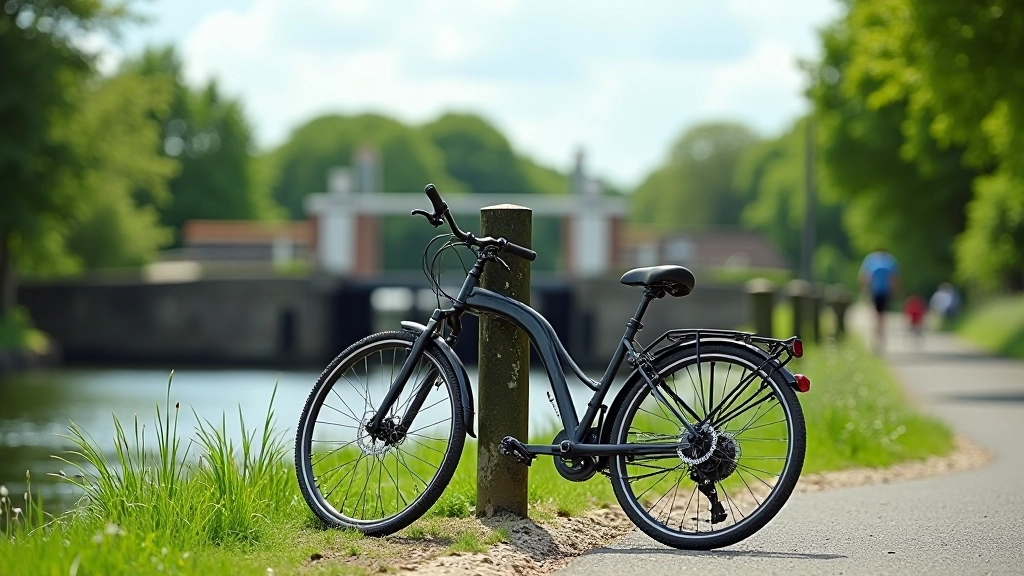
We've talked to dozens of older cyclists about what makes their rides enjoyable, and a few patterns emerge. It's not rocket science, but it makes a real difference.
Don't worry about speed. A comfortable 12-15 kilometres per hour lets you enjoy the scenery and chat with whoever's riding alongside you.
Know where you're stopping before you set out. Most towns along the route have cafes or benches by the water.
Wind can be stronger near the water. A calm day makes everything easier, so pick your timing when you can.
A small bottle keeps you hydrated without weighing you down. Stop for tea at a cafe rather than carrying everything.

Cycling on Kildare's waterways doesn't require special fitness or expensive gear. You need a working bike, a helmet, and the willingness to try something that might surprise you with how enjoyable it is. Start with a short ride — maybe 8 kilometres from Vicarstown — and see how you feel. You can always do more next time, or stick with shorter routes if that's what suits you.
The Barrow Line is peaceful, accessible, and designed for exactly the kind of pace that works for older cyclists. It's become a genuine community thing — you'll see the same faces regularly, and there's a real sense of people taking care of themselves without making a fuss about it. That's the appeal, really.
Ready to explore? Start with one of the established access points, pick a calm day, and take your time. You've got this.
This guide is designed to help you understand what to expect on Kildare's cycling routes. Choose activities that match your fitness level, check local conditions before travelling, and speak with your GP if you have health concerns before starting a new activity. Route conditions change seasonally — always verify current access and surface conditions with local authorities before planning a trip.
More practical guides for river cycling and waterway navigation
Everything you need to know before your first ride — route basics, access points, and what the experience actually feels like when you're out there.
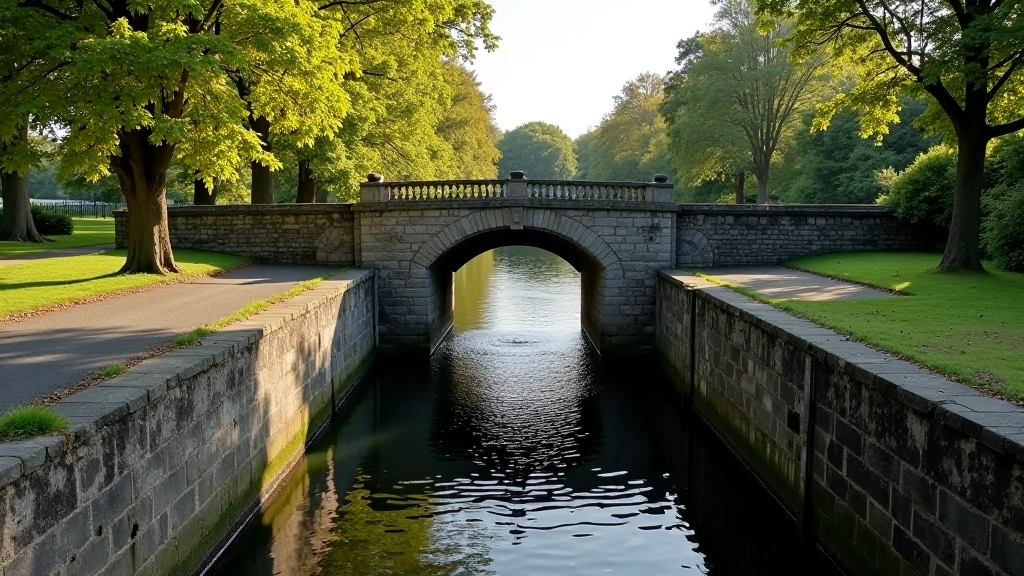
How lock systems work, safety procedures when cycling near locks, and what to expect when you encounter these historic waterway structures.
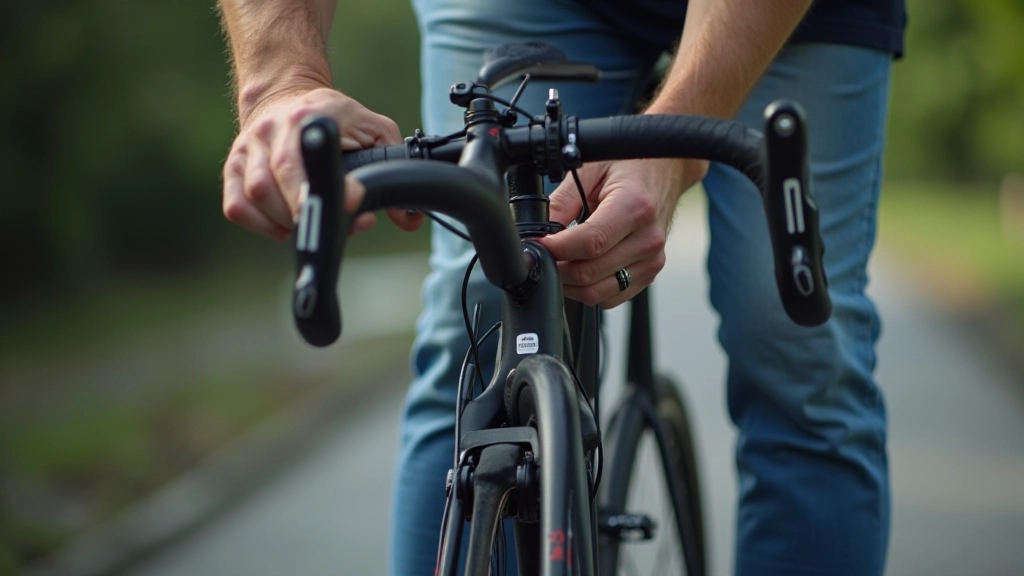
Pre-ride checklist, seasonal maintenance tips, and safety gear recommendations for reliable, comfortable cycling on riverside routes.