
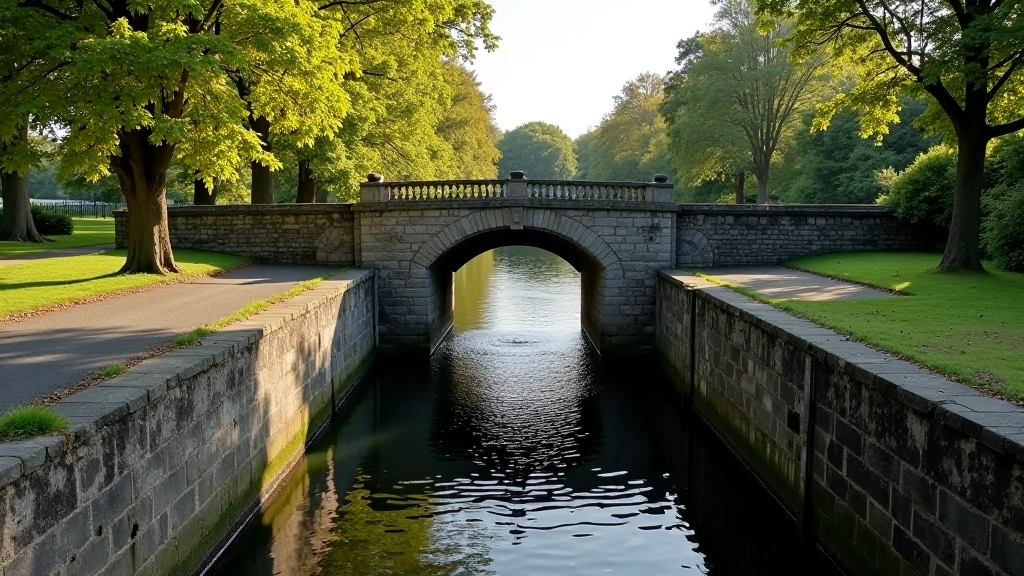
Understanding Lock Chambers: Navigation Basics
How lock systems work, safety procedures when cycling near locks, and what to expect at each lock chamber.
Read guideEverything you need to know before your first ride — route basics, access points, and what to bring along the way.
Author
Editorial Team
Written by the Barrow Line Editorial Team, providing practical, honest guides to river navigation and cycling routes for older adults in Kildare.
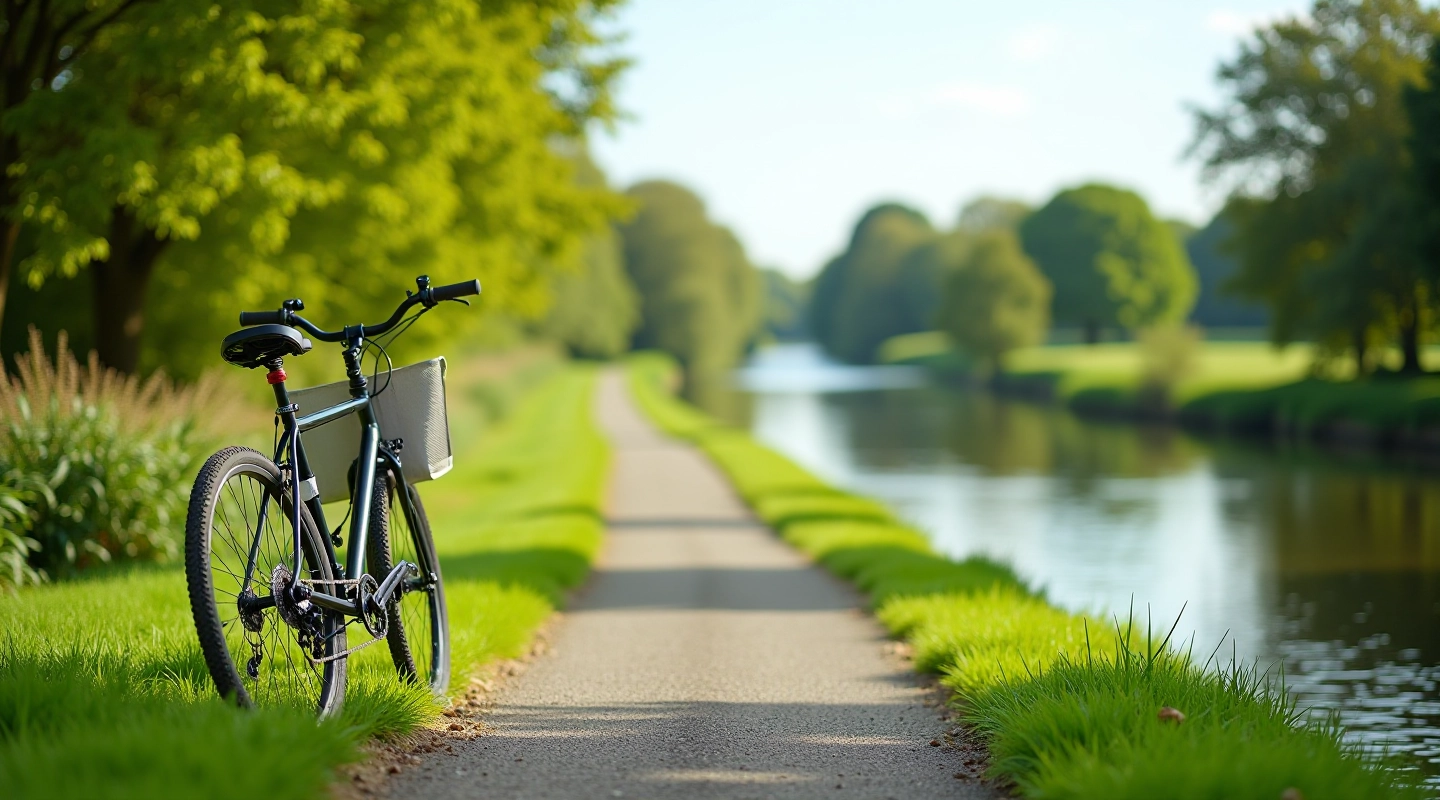
The Barrow Line towpath is one of Ireland's most forgiving cycling routes. It's flat, well-maintained, and quiet — no traffic, no hills, just you and the river. Most people can cycle it comfortably on a regular hybrid or mountain bike.
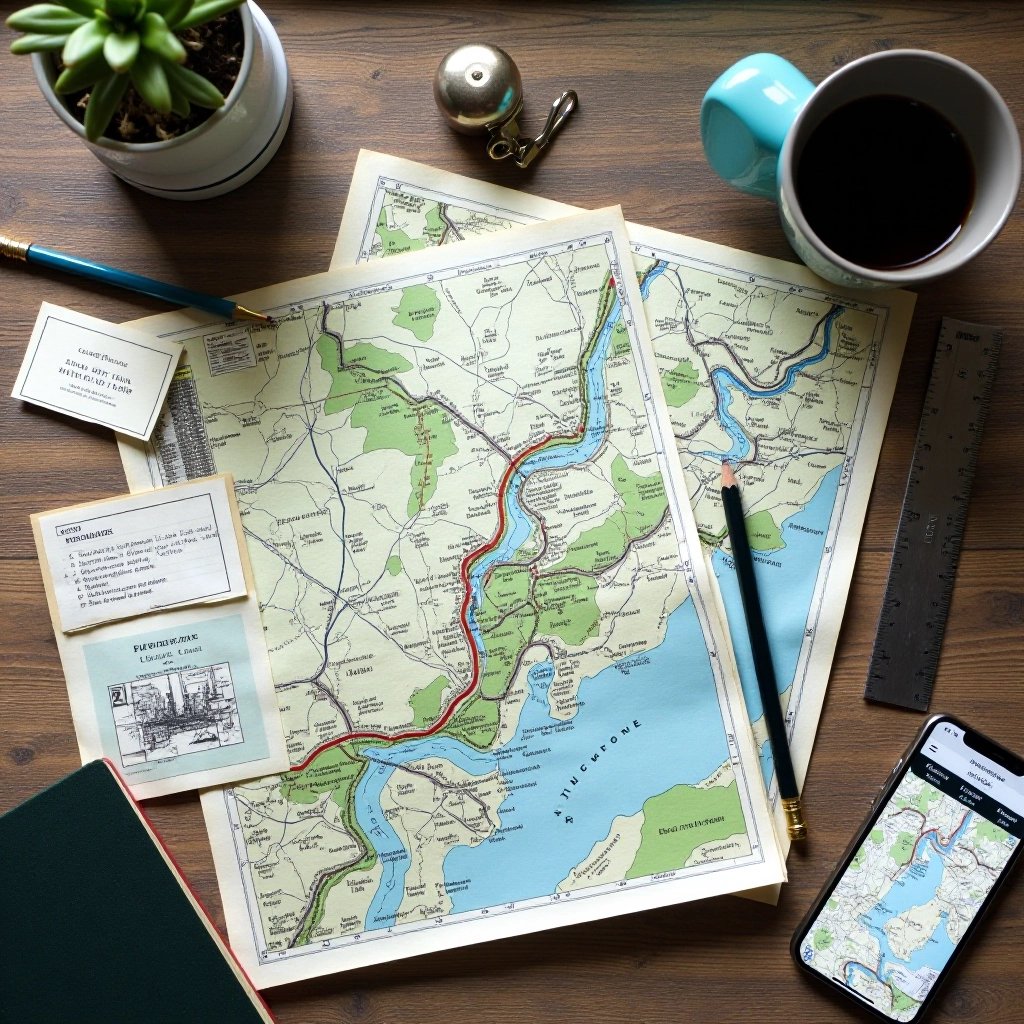
The route follows the Barrow River from Monasterevin down to Athy, a gentle 16-kilometer stretch that takes most riders about 90 minutes. You'll pass through farmland, alongside locks, and through a few small villages. It's not a race — you're here to enjoy the pace and the scenery.
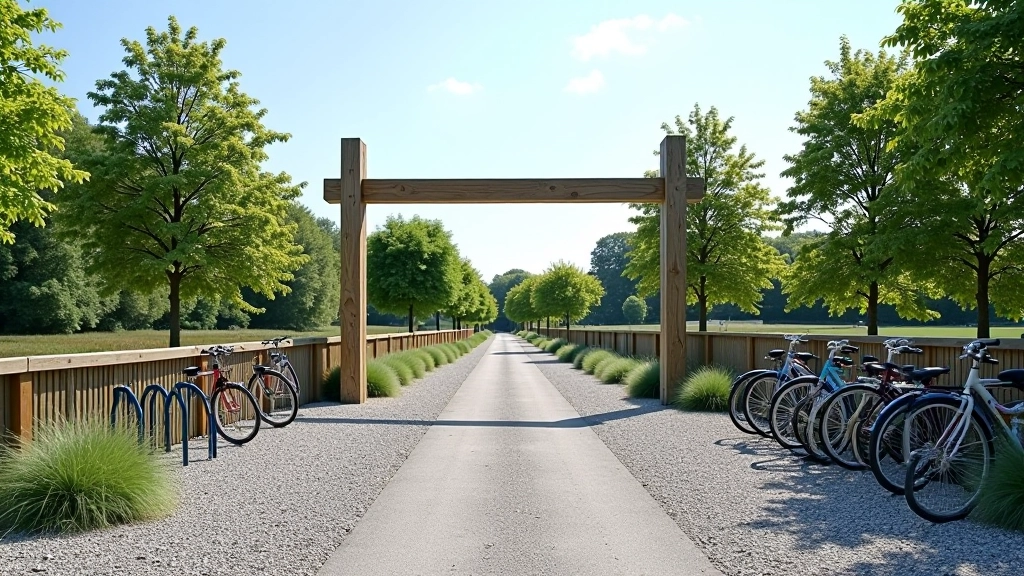
There are three main entry points along the Barrow Line. Monasterevin is the northern start — you'll find free parking near the bridge and a clear towpath entrance. It's busy on weekends, but there's always space.
The middle section at Vicarstown has a quieter car park and decent facilities. If you're starting here, you've got about 8 kilometers to Athy — perfect if you don't want the full ride.
Athy is the southern end. Parking's tight during the day, but early morning or late afternoon is peaceful. The town has shops, cafés, and a public toilet — good for refueling before the ride back.
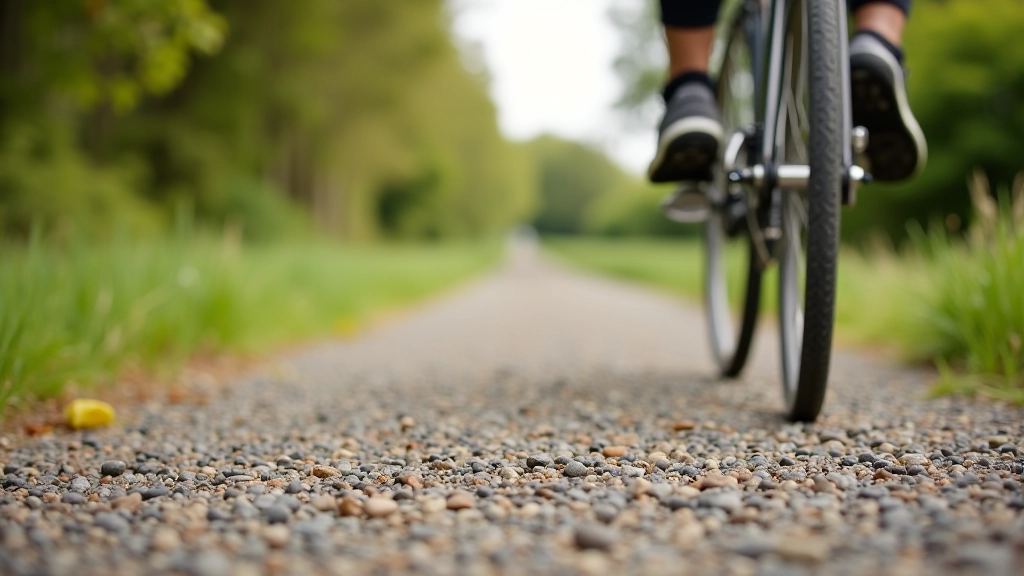
The towpath surface varies along the route. From Monasterevin to Vicarstown — about 8 kilometers — it's mostly well-packed gravel with some tarmac sections. The surface is firm, but not perfectly smooth. You'll feel the bumps, but nothing extreme.
The second half, from Vicarstown to Athy, has more tarmac. This section is faster and smoother. You won't need a mountain bike, but a hybrid with decent tires works better than a road bike.
After rain, the gravel sections can get muddy and soft. The tarmac drains well, but puddles form in a few spots. We'd recommend avoiding the route for 24 hours after heavy rain — it'll be wet and slippery.
Bring these for the towpath:
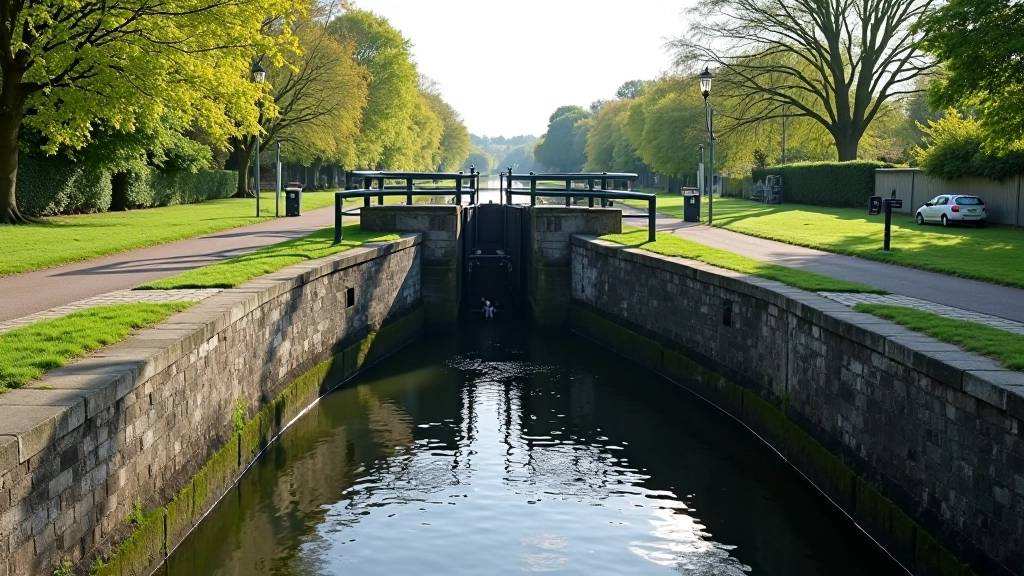
You'll pass four working locks between Monasterevin and Athy. They're part of the Grand Canal system, and they're genuinely interesting to watch. Don't worry — you don't need to operate them. Lock keepers manage the water levels, and the towpath runs safely alongside.
At each lock, the towpath narrows slightly. Slow down and walk your bike if there's foot traffic. Most people expect cyclists to give way. It takes 30 seconds to dismount and walk — worth it for safety.
The locks are at: Monasterevin, Vicarstown, Athy Lower, and Athy Upper. They're good landmarks if you're using them to measure your progress. Monasterevin to the first lock is about 3 kilometers of steady cycling.
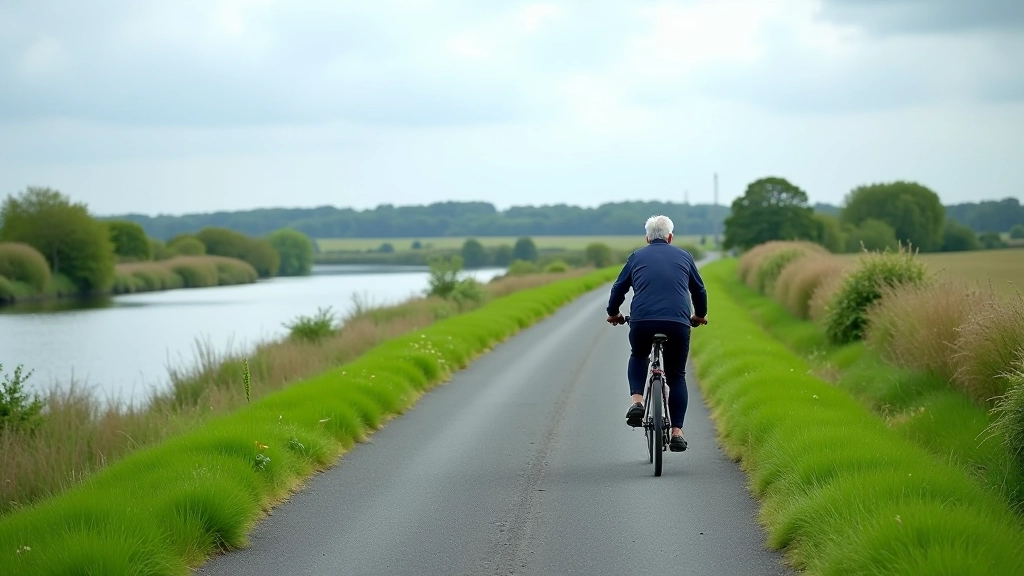
There's no "right" speed on the Barrow Line. You'll see people of all abilities here — some are training, others are out for a gentle 90-minute cruise. Most first-time riders cycle at about 12–15 kilometers per hour, which feels comfortable without being rushed.
The full route from Monasterevin to Athy takes 90 minutes to 2 hours depending on your pace and how long you stop. Factor in 15–20 minutes for breaks — there's no shame in getting off and resting. This isn't a fitness test.
You might feel a bit stiff on your first ride. Legs, back, shoulders — they'll all remind you they've been working. That's normal. Your body adapts quickly. By your third or fourth ride, you'll feel noticeably stronger and more comfortable on the bike. Start easy, enjoy the scenery, and don't push hard. There's nothing to prove out here.
Vicarstown sits roughly halfway along the route. There's a small café right by the car park — good for a tea break and a rest. The seating area has views back toward the water. It's perfect for 15–20 minutes of recovery before heading on.
Athy has the most facilities. When you reach the town, you'll find a café, a small shop, and public toilets near the bridge. Most riders take 30 minutes here — enough time for a proper sit-down and a snack. If you're riding the full route and back, this is your refueling stop.
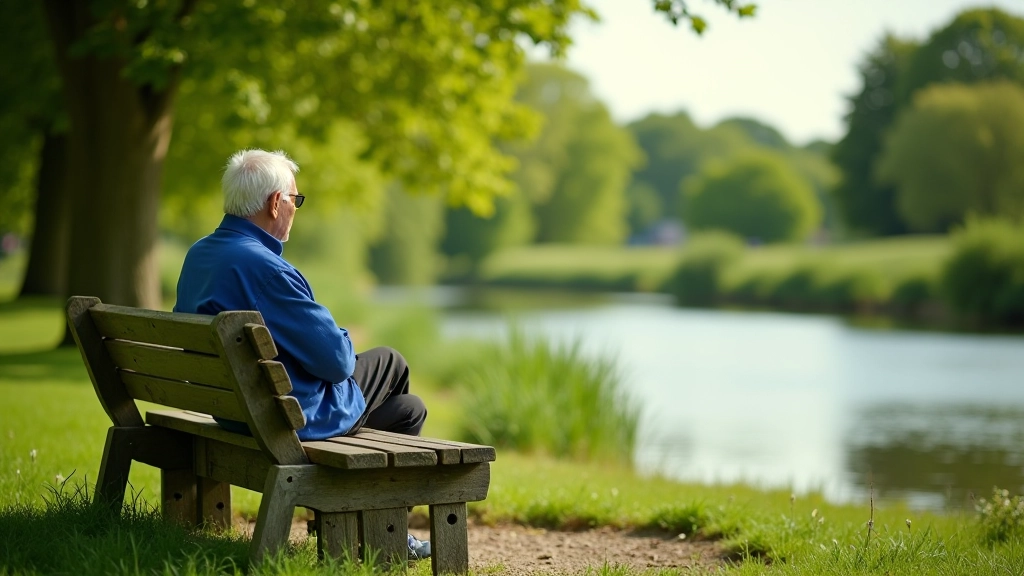
Along the towpath itself, there are benches at the locks. They're simple picnic benches, but they're quiet and scenic. Pack some fruit or a sandwich if you're doing the long ride — stopping to eat beside the water is half the point of being here.
Pump your tires to the pressure marked on the sidewall. Spin the wheels — they should turn freely without rubbing. Test your brakes by squeezing the levers. They should feel firm and responsive, not mushy.
The towpath is exposed. There's no shelter from wind or sun. Wear layers — you'll warm up once you start cycling. A windproof jacket is useful even on mild days. And sunscreen matters more than you'd think.
Don't rely on finding cafés. Bring at least 1 liter of water. Dehydration creeps up on you — you won't feel thirsty until you're already depleted. Drink regularly throughout the ride.
Check the forecast before you go. Wind matters more than temperature on an open towpath. Strong headwinds make cycling harder and less enjoyable. Morning rides are usually calmer than afternoon ones.
Start at Monasterevin or Vicarstown. The first 20 minutes will feel strange as your body settles into the rhythm. By 30 minutes, you'll relax. By the time you reach the first lock, you'll be thinking about the scenery instead of the effort.
You'll probably stop at Vicarstown for tea. That's sensible — it breaks the ride and lets you rest. From there, it's a gentler final stretch to Athy. The tarmac is smoother, the pace feels easier, and the end is visible.
After Athy, you've got choices. Some people ride straight back. Others take an hour to recover, have a proper meal, and cycle home relaxed. There's no schedule here. You're in control of your own pace.
The real test comes the next morning. You'll probably feel it in your legs and lower back. That's normal and temporary. It means you've done something. In a week, when you ride again, you'll feel noticeably better. That's how you know it's working.
Explore more guides for river cycling in Kildare
How lock systems work, safety procedures when cycling near locks, and what to expect at each lock chamber.
Read guide
Gentle paced routes with rest stops, terrain details, and accessibility information for older riders.
Read guide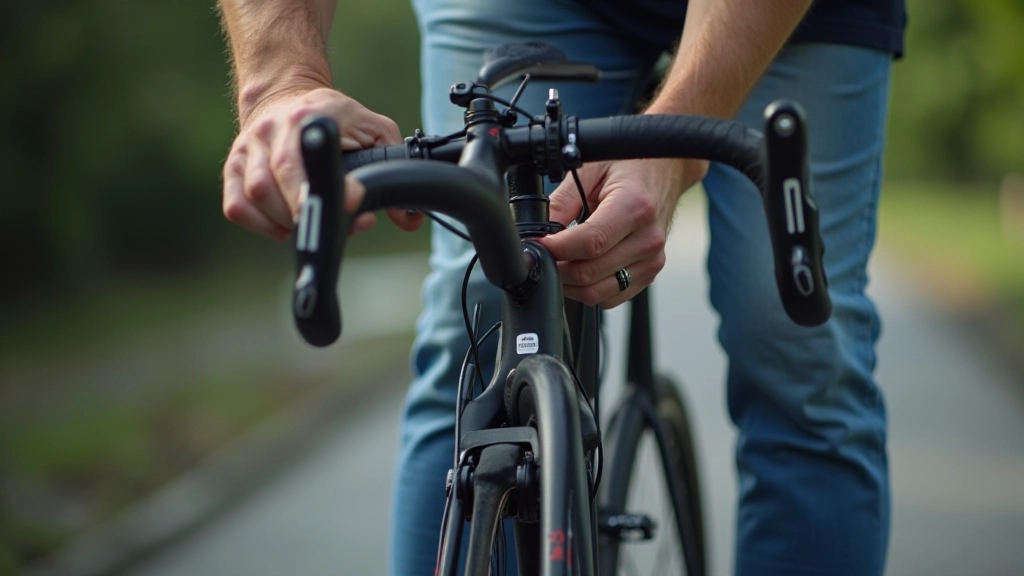
Pre-ride checklist, seasonal maintenance tips, and safety gear recommendations for towpath cycling.
Read guideThis guide provides general information about the Barrow Line towpath and cycling routes in Kildare. Choose activities that match your current fitness level. Check local conditions and weather before you travel. If you have any health concerns — joint problems, heart conditions, or any doubts about your fitness — speak with your GP before starting a new cycling activity. The towpath is maintained to a reasonable standard, but surfaces can change with weather and seasons. Ride at your own pace and stop whenever you need to rest.